Fire risk assessment Leeds.
Know the risks.
Know what comes next.
Fire risk assessments, door inspections and safety reviews for the people responsible for commercial premises.

Understand the building.
Record the findings.
Prioritise the action.
Leeds & District
From Building Conditions To Decisions You Can Act On
A fire risk assessment is an organised examination of how a fire could start, who could be affected and whether the precautions are suitable. For a Leeds business, it should connect the building’s layout with its actual activities, occupants and management arrangements. The useful outcome is a record that explains the risks and the actions needed to address them.
We help commercial occupiers, landlords and facilities teams establish the assessment scope before a visit is booked. That means understanding the areas you control, the records available and any recent change to the premises. An office suite, a distribution shed and a workshop need different questions, even when they sit on the same estate.
The inspection and report should make limitations visible. An inaccessible ceiling void, missing fire strategy or unavailable landlord record cannot be treated as evidence that everything behind it is satisfactory. Where a specialist investigation is needed, the next step should be stated clearly so you can commission it with a defined purpose.
An assessment identifies what needs attention. A maintenance visit tests or services particular equipment. Agree which work your premises need before booking.
Choose The Right Instruction
Six Related ServicesStart with the premises and the reason for your enquiry. If you are taking over a building or cannot rely on its existing report, a new assessment may be appropriate. If your main concern is the condition of fire doors or the closure of outstanding actions, a more focused instruction may help.
Our commercial assessment page explains how scope is agreed across different building uses. The office and warehouse pages cover the operational details that affect those premises. Door inspections, safety audits and reviews support ongoing management and should feed relevant findings back into your current assessment.
Who Needs An Assessment In Leeds?
If you control business premises, fire safety belongs on your management agenda.
The Regulatory Reform (Fire Safety) Order 2005 is the main fire safety law for commercial premises in England. Employers, owners, landlords, occupiers and others with control can hold duties depending on their role. The responsible person must arrange a suitable and sufficient assessment and keep precautions under review. See GOV.UK’s explanation of responsibilities.
A small workforce does not remove the need to assess the premises. Current guidance requires the assessment and fire safety arrangements to be recorded in full. Record who assisted with the assessment and keep information available for future handovers. The government’s Section 156 guidance explains the recording changes.
In shared buildings, establish where each party’s control begins and ends. A landlord’s assessment of a common stair does not automatically cover a tenant’s processes, while a tenant’s report cannot resolve unknown conditions elsewhere in the building. Exchange relevant risk information and coordinate arrangements that affect shared escape routes.
Leeds is in England, so this site uses the English premises guidance. Scotland has a separate fire safety framework and should not be assessed by assuming the English Order applies. The building’s location and use must be checked before choosing the applicable guidance.
What The Assessment Looks At
The assessor considers ignition sources, combustible materials and people at risk before examining the precautions in place. That includes visitors, contractors, people unfamiliar with the premises and anyone who may need help to evacuate. The assessment needs to reflect occupation outside normal office hours as well as the main working day.
Escape routes, warning arrangements, fire separation and management procedures are considered together. A maintained alarm is important, but it cannot compensate for an exit that cannot be used or a procedure nobody understands. Similarly, a visible defect needs to be considered in context before deciding its priority and the appropriate response.
| Ref. | Observation | Priority | Next Action |
|---|---|---|---|
| 01 | Final exit obstructed | Urgent | Restore safe access |
| 02 | Maintenance record missing | Investigate | Obtain evidence |
| 03 | Layout recently altered | Review | Reassess the change |
A sensible action register explains the observation and records who will address it. It should distinguish an immediate concern from a need for better evidence or planned improvement. Numerical scores are not a substitute for that explanation, and this example is not an assessment of any real building.
How The Work Moves Forward
Define The Premises
Send the postcode, building use, approximate size and reason for the assessment. Explain whether you control the whole building or only part of it, and mention any notices, planned changes or access restrictions.
Bring The Records Together
Gather current plans, the previous assessment, maintenance records and evacuation arrangements. Identify a contact who can explain the building’s use and arrange entry to the agreed areas, including stores and support spaces.
Inspect And Discuss
The on-site visit combines accessible observations with questions about day-to-day operation. Raise concerns about occupancy, contractors and assisted evacuation so the findings reflect the people who actually use the premises.
Record And Follow Through
Use the written findings to allocate actions and keep evidence of completed work. Revisit unresolved questions and communicate changes to the relevant staff, occupiers and contractors rather than simply filing the report.
Agree the expected deliverables with the firm before instruction. Ask how the report will identify inaccessible areas, explain recommendations and handle requests for clarification. If your insurer, managing agent or procurement team has a specific reporting requirement, share it before the quotation is accepted.
A Quotation Needs More Than A Postcode
Fire risk assessment cost depends on the work required to understand the premises. Floor area matters, but so do the number of floors and buildings, the activities undertaken, the people present and the complexity of escape arrangements. A site with several occupiers or an unclear history may need more preparation than a straightforward single-unit office.
Records and access also affect the scope. Existing plans and a usable assessment can help the assessor understand the building, while missing documents or restricted areas may leave questions needing further visits. Describe those constraints early so the quotation can explain what is included and what will need separate instruction.
Do not assume that an assessment quotation includes alarm testing, emergency lighting servicing, fire door repairs or intrusive compartmentation surveys. These are different tasks that need appropriate competence and a defined scope. Ask how any additional recommendations will be explained before you commit to further work.
Tell Us What You Need Assessed →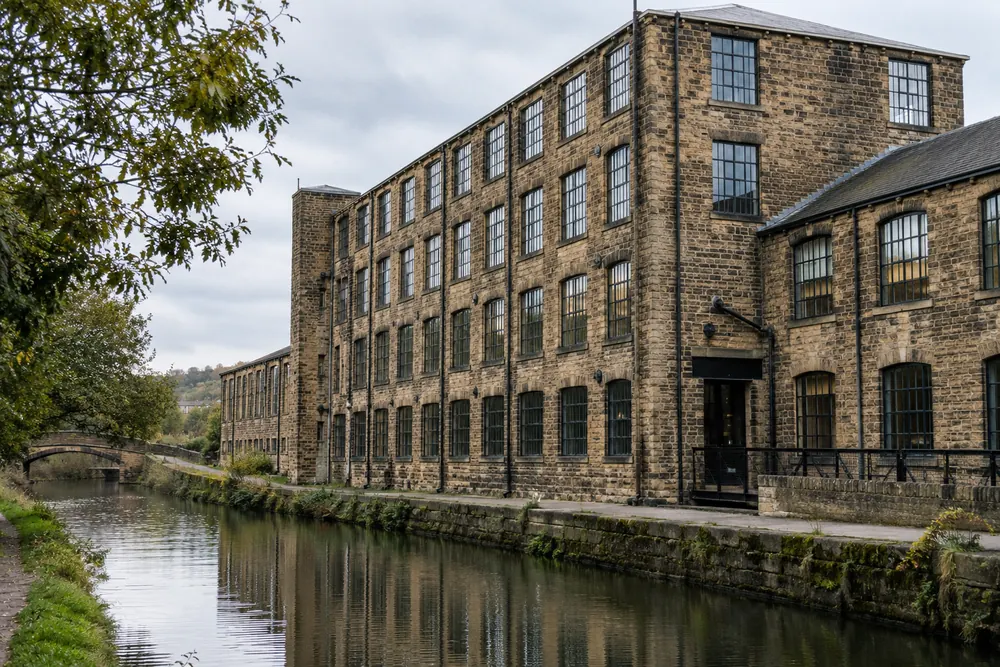 Leeds & Surrounding Districts / Commercial Premises
Different Buildings.
Different Questions.
Holbeck’s Temple District includes Temple Works, Marshalls Mill and the Round Foundry. Kirkstall Forge combines office development with a railway station. These established locations illustrate why a Leeds assessment should start with the actual building and its use, rather than treating the city as one uniform property type.
To the south, Stourton Point provides industrial and warehouse accommodation on Haigh Park Road, with access to the M1 and M621. In Morley, the council lists light industrial units at Little Fountain Street. Workshop operations and stock handling introduce different questions from those in a managed office floor.
We cover Leeds and nearby districts including Pudsey, Headingley, Harehills, Upper Wortley, Kippax and Seacroft. Give the premises postcode when enquiring so coverage and access requirements can be confirmed. Our coverage register includes the local sources used to describe these areas.
Read The Coverage Register →The Report Is The Start Of The Record
Give each action an owner and keep evidence of the decision and work carried out. If a recommendation depends on information from a landlord or specialist contractor, record the request and follow it through. A completed invoice may help, but it should describe work that actually addresses the finding.
Review the assessment regularly and after a significant change or when there is reason to doubt its validity. New partitions, changed storage, altered occupancy or a fire incident can call for an earlier review. An agreed review date is a useful prompt, not permission to ignore a change until that date arrives.
Understand Assessment Reviews →Before You Book
Who Needs A Fire Risk Assessment In Leeds?
A fire risk assessment in Leeds is required for premises covered by the Fire Safety Order, including offices, factories, warehouses and other business premises. Employers, owners, landlords and others with control may have responsibilities. The duties depend on their role, so shared buildings need cooperation between the relevant parties.
How Much Does A Fire Risk Assessment Cost?
Fire risk assessment cost depends on the premises, including their size, use, layout, occupancy and available records. Several buildings, complex processes or restricted access can increase the work involved. Send the postcode, building use and approximate floor area so the quotation can describe the actual assessment scope.
How Often Should The Assessment Be Reviewed?
A fire risk assessment should be reviewed regularly and after significant change or when there is reason to doubt its validity. There is no single statutory annual expiry date for every commercial assessment. Set a review arrangement that reflects the premises and bring it forward if circumstances change.
Can A Tenant Rely On The Landlord’s Assessment?
A tenant cannot assume the landlord’s fire risk assessment covers everything within their control. The landlord may assess common areas while the tenant manages their own activities and internal arrangements. Ask what each assessment includes, exchange relevant information and check that the escape arrangements work across the whole building.
What Will The Written Report Include?
The fire risk assessment report should record the assessment, explain findings and identify actions arising from the inspection and information reviewed. It should describe scope and limitations so you know what has been examined. Ask how priorities, responsibility and completion evidence will be recorded before agreeing the instruction.
Does The Visit Include Alarm And Lighting Tests?
A fire risk assessment visit does not automatically include technical testing of alarms or emergency lighting. The assessor considers the arrangements and available maintenance evidence within the agreed scope. System testing, remedial work and specialist surveys need to be specifically instructed with the appropriate contractor where they are required.
What Should We Prepare Before The Visit?
Preparing for a fire risk assessment means gathering the previous report, current plans, fire safety records and information about how the premises operate. Arrange access to the agreed areas and a contact who knows the building. Mention recent changes, outstanding actions and any restrictions before the appointment is confirmed.
Start With Your Premises.
Tell us what the building is used for and what has prompted the enquiry. We can then establish the right next step.
A quotation for your premises.
Scope agreed before instruction.